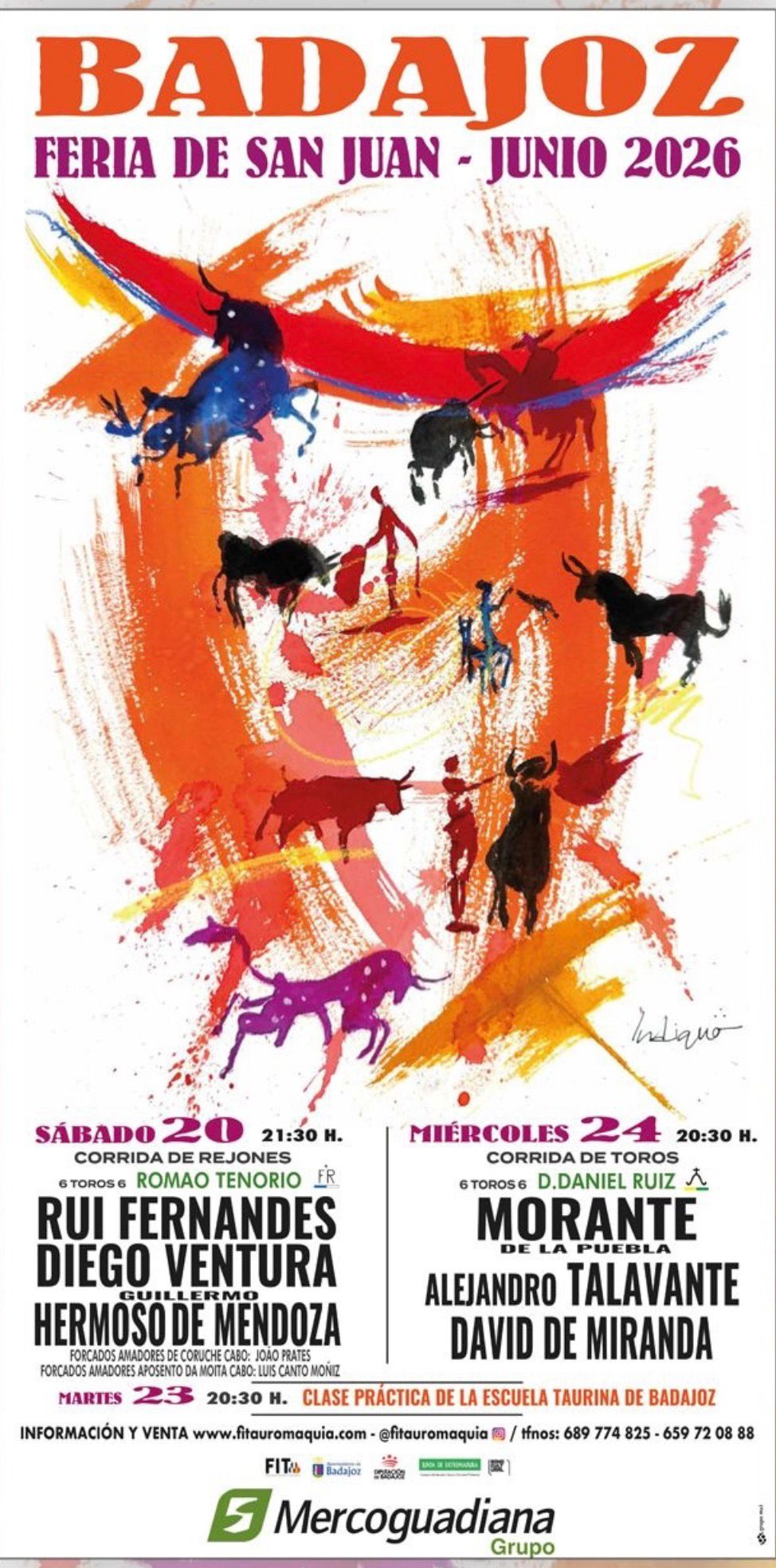
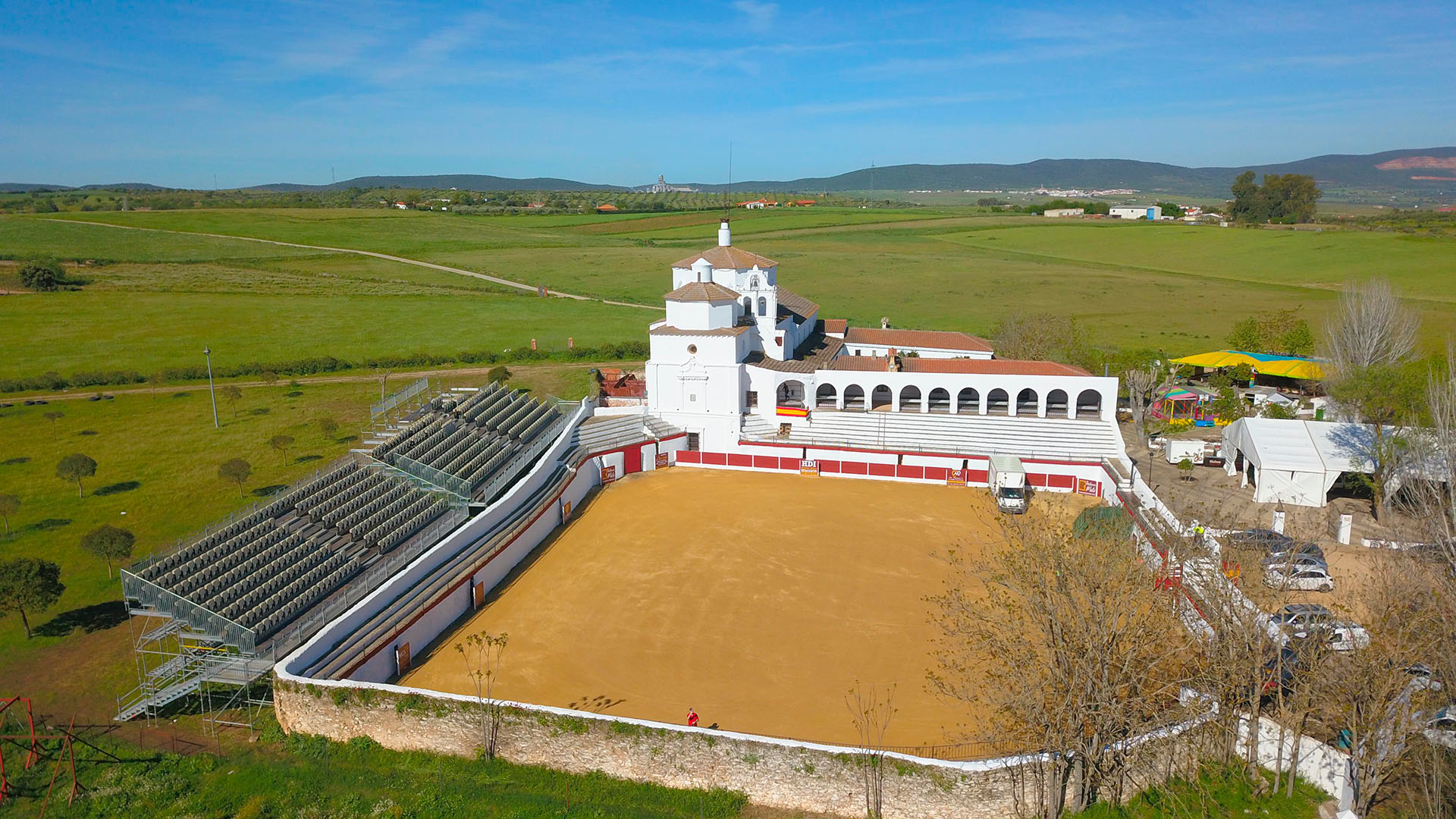
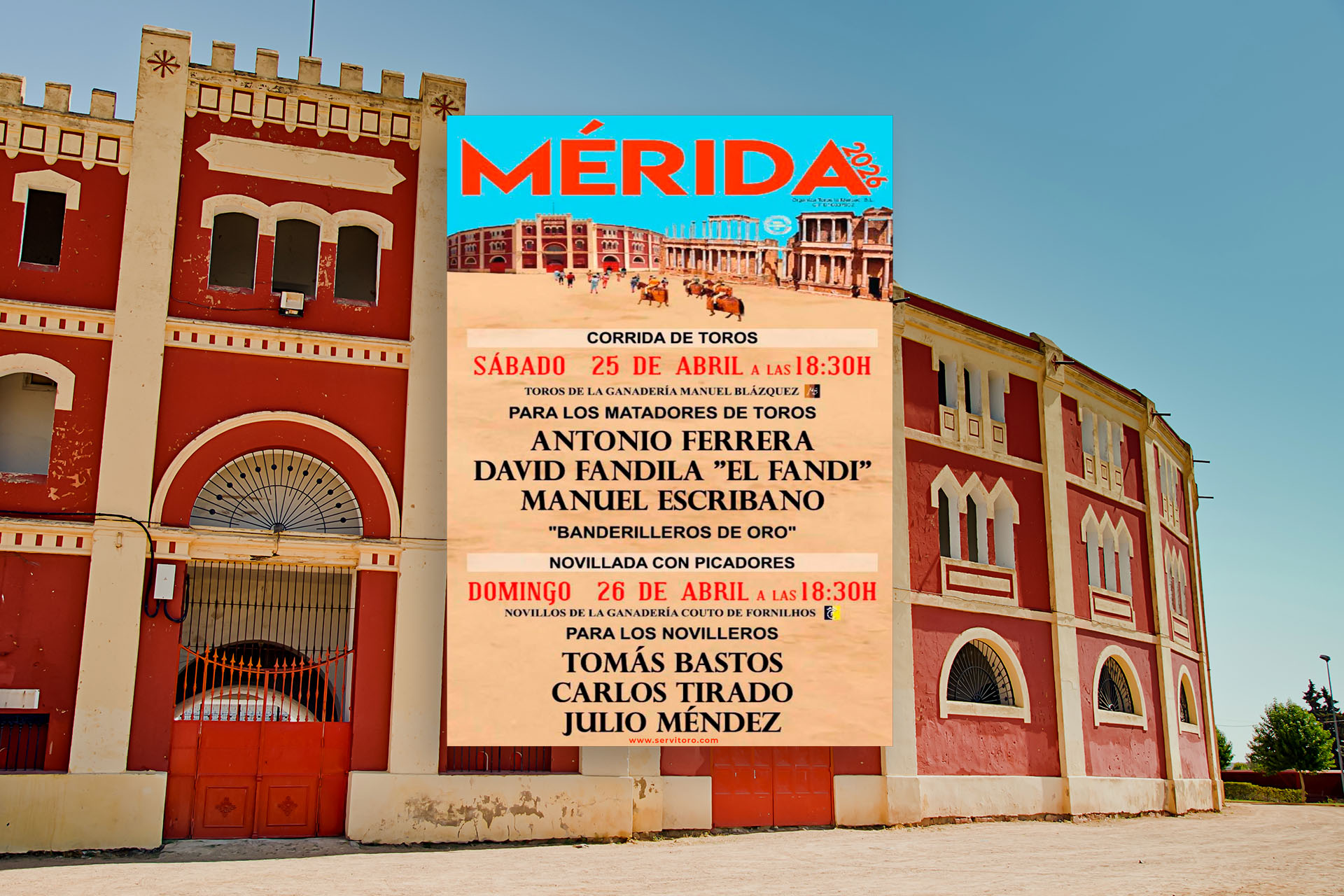
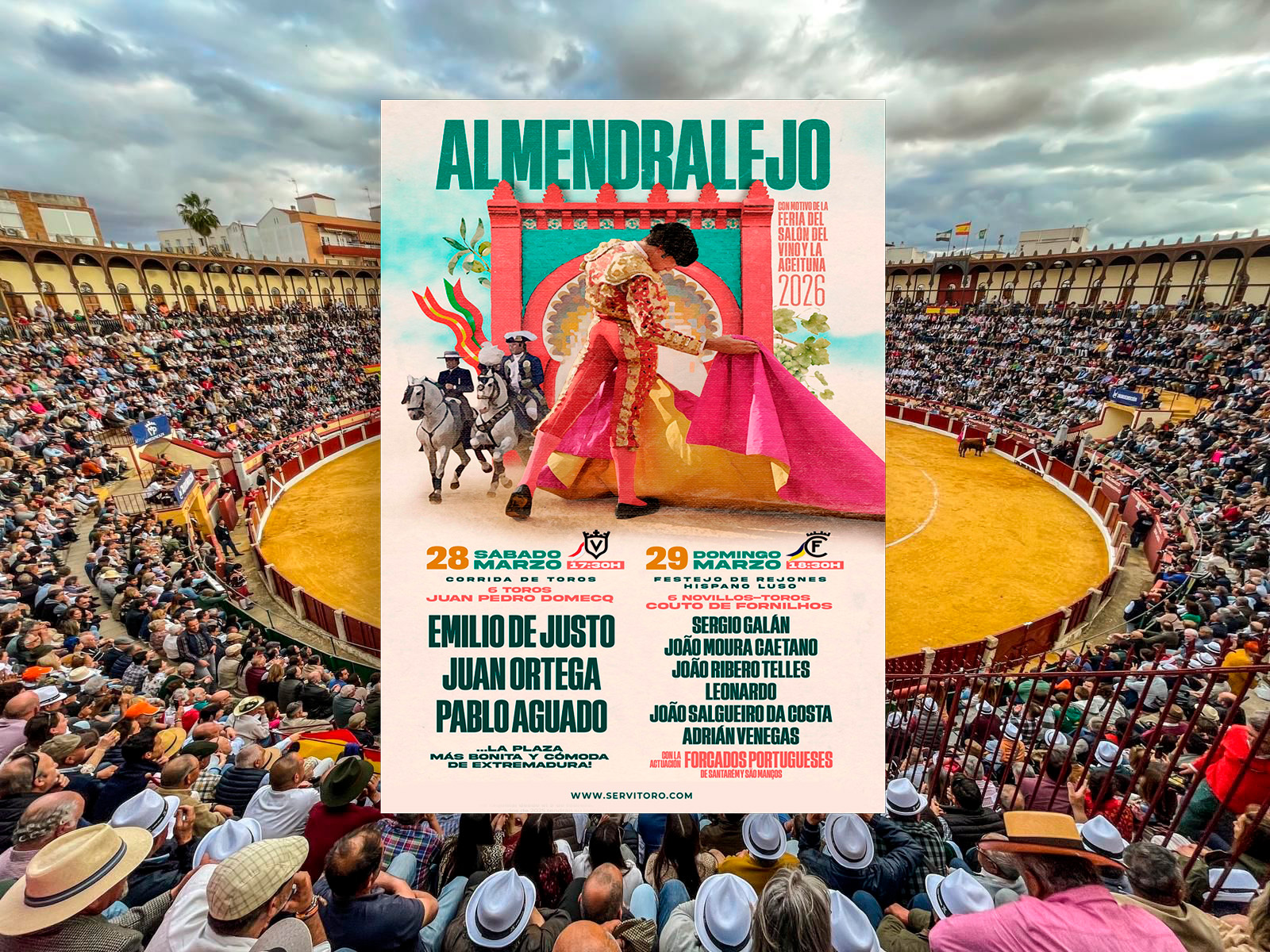
It is one of the most bullfighting-minded provinces in Spain. Why? Thanks to its privileged location, its natural environment and the strong support of local institutions. Badajoz is not only a land of fighting bulls, but also the birthplace of great matadores (fully-fledged bullfighters). Discover why.
Tauromaquia—the art and culture of bullfighting—has deep roots in Badajoz dating back to time immemorial. Its privileged geographical location, with vast stretches of dehesa—ideal landscapes for breeding the toro bravo (Spanish fighting bull)—made Extremadura in general, and the province of Badajoz in particular, a natural cradle not only for cattle ranching but also for the emergence of countless bullfighting professionals.
Extremadura has also acted as a bridge for Portuguese aficionados. Though geographically close, Portuguese bullfighting differs significantly from the Spanish tradition—most notably because the bull is not killed in the arena in Portugal. For this reason, many Portuguese fans cross the border to attend what they call “the full bullfight” (corrida íntegra), especially in local arenas such as Olivenza, Almendralejo or Zafra.
In recent years, Extremadura has become one of the Spanish regions with the greatest number of active matadores—if not the most. This rise in fully-fledged bullfighters (espadas de alternativa) is closely linked to the prestigious Badajoz Bullfighting School, supported by the Regional Government of Extremadura and, until very recently, strongly influenced by Almendralejo-born matador Luis Reina.
Under his guidance, many professionals trained at this school have reached the top tier of the profession, including students from neighbouring provinces and even from Portugal—such as the matador Juanito or the still-novice bullfighter (novillero) Tomás Bastos, who is expected to take the alternativa (the ceremony that makes a bullfighter a full matador) very soon.
Juan Cuervo (Badajoz, 23/06/1827), who took his alternativa in Olivenza in 1868, died on 24/09/1883 from a goring suffered the previous day in Alburquerque. He heads a list that includes notable names such as Manuel Mejías Rapela, known as “El Papa Negro”, founder of the legendary Bienvenida dynasty and father of five matadores: Manolo, Pepe, Antonio, Juan and Ángel Luis.
Mejías Rapela was born on 12/02/1884 in the village from which the dynasty took its name. He received the alternativa in Zaragoza on 14/10/1905, retired in the same arena in 1912, and died in Madrid in 1964.
Later came bullfighters such as El Jato, born in the city of Badajoz in 1939, who took his alternativa in Tarragona before settling in Catalonia, or the hugely popular Blas Romero “El Platanito”, from Castuera, who became a matador in Madrid’s Vista Alegre arena in Carabanchel.
Julián Calderón “El Jato” made a name for himself by jumping into the ring as a spontaneous bullfighter (espontáneo) in major plazas such as Valencia, Seville or Las Ventas in Madrid. His reputation grew especially after he performed with returned bulls from the ranches of Bernardino Piriz during Fallas and Saltillo during San Isidro. Yet when he finally received a genuine opportunity to perform vestido de luces (literally “dressed in lights”, the traditional bullfighter’s costume) in Madrid, he failed to change his fate. He took a merely symbolic alternativa in 1991.
“El Platanito”, born in 1945, enjoyed great fame during the 1960s with a style close to comical bullfighting (toreo bufo). He filled the Vista Alegre arena several times and took the alternativa there in 1970. However, once he reached the highest rank, neither his popularity nor his opportunities were the same. Today he is often seen selling lottery tickets near Las Ventas.
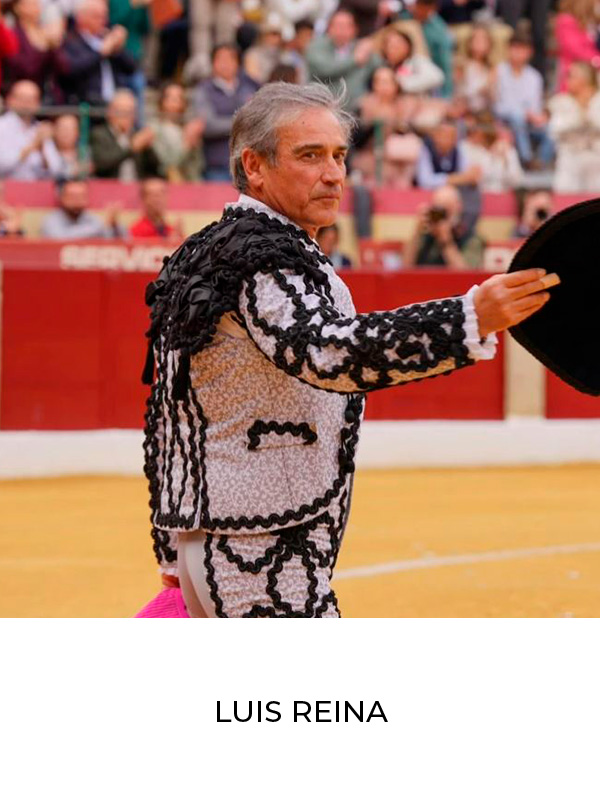

Among the matadores of the 1970s and 1980s, Luis Reina stands out above all. Born in Almendralejo in 1958 and taking his alternativa in Badajoz in 1980, he became the first bullfighter to wear advertising on his traje de luces (bullfighting costume). Before him came Gallito de Zafra (who also took the alternativa that same year in the Pardaleras arena), and later figures such as Gitanillo Vega, Antonio Muñoz (son of rancher Cayetano Muñoz) and Hugo de Patrocinio, who lead us into the 21st century.
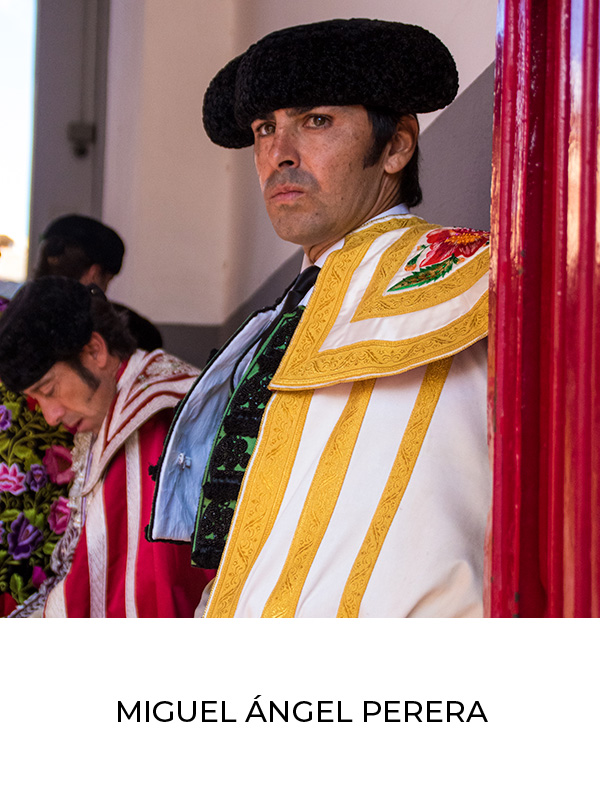
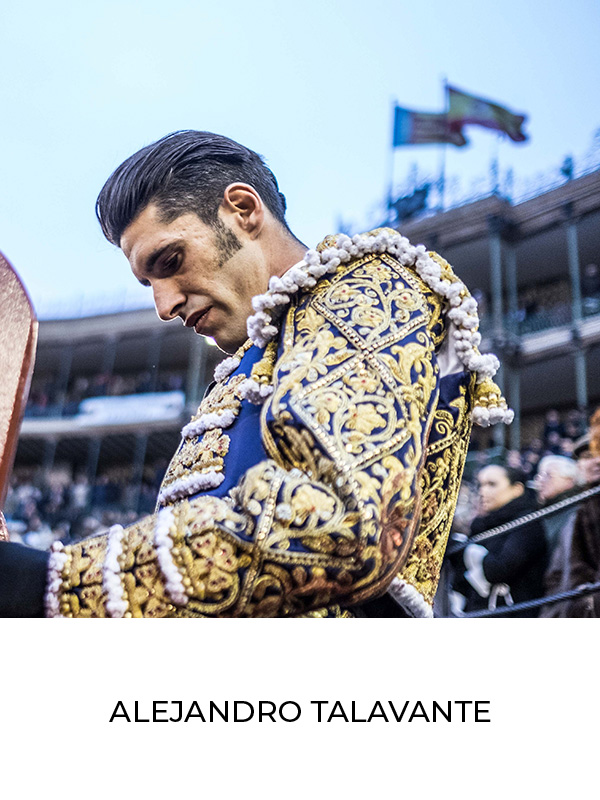
And here begins the great explosion of bullfighters from this province. Above all stand two major figures of modern bullfighting: Miguel Ángel Perera (born 1983) and Alejandro Talavante (born 1987). Perera, from Puebla del Prior, became a matador at the San Juan Fair in Badajoz in 2004, while Talavante, from Puebla de Sancho Pérez, did so in Cehegín (Murcia) three years later.
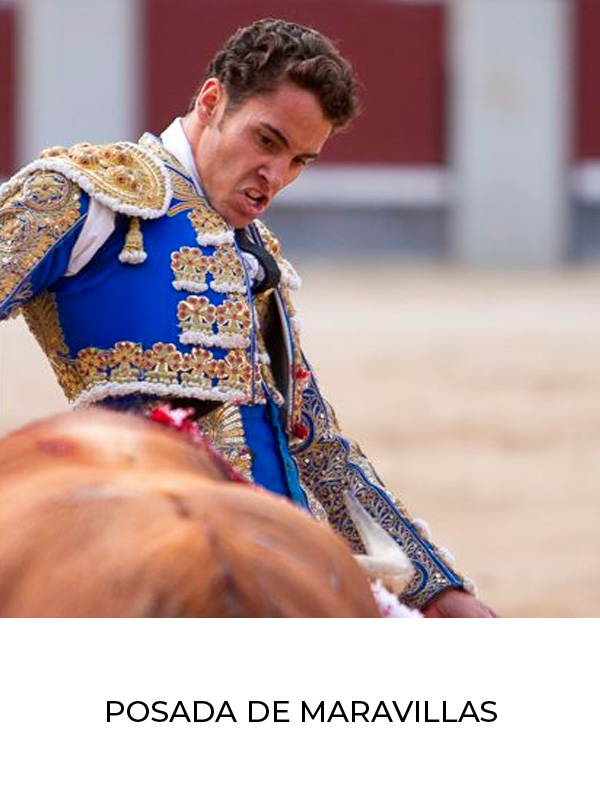
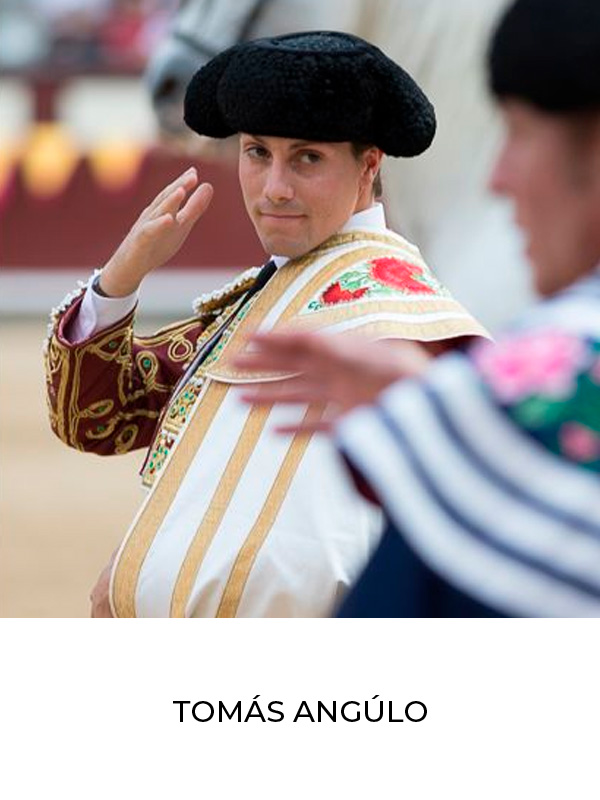
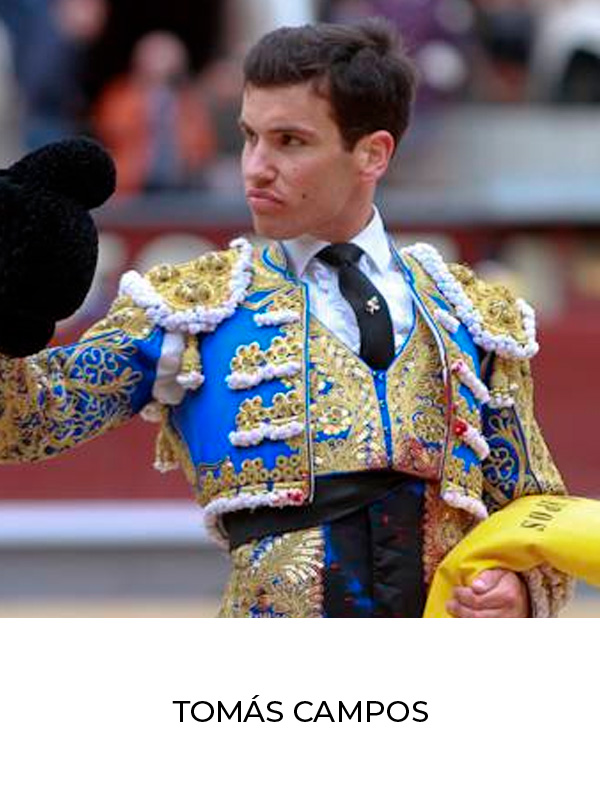
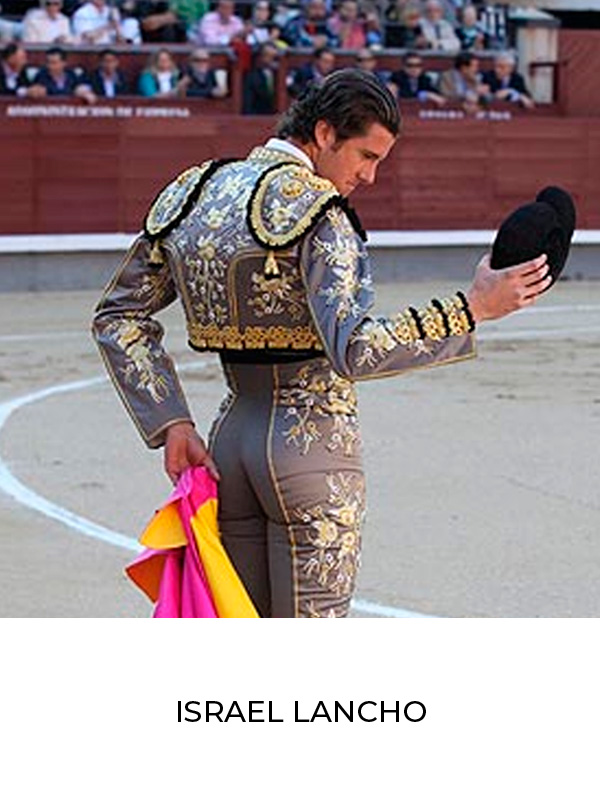
Before them came careers such as those of Martín Quintana, Javier Solís, Israel Lancho, Ambel Posada or Miguelín Murillo. After them, new names emerged, including Julio Parejo, Tomás Campos, Tomás Angulo and Posada de Maravillas.
Before closing, it is important to remember two bullfighters who, although born outside Extremadura, display its colours every time they dress for the ring because they grew up here and feel deeply connected to the region: Antonio Ferrera and Ginés Marín. Together, all of them have helped elevate and expand the legacy of Tauromaquia in this remarkable part of Spain.
Official ticket office for bullfighting tickets. Secure the best seats by purchasing your tickets in advance. Show schedule, prices and locations now available at Servitoro.
Buy tickets